The role of radio and cinema during the war
All forms of the media – radio, newspapers, magazines, cinema films and newsreels – were censored and controlled by the Ministry of Information.
Radio and cinema were used to ensure morale did not drop, as well as informing people of the successes.
Radio
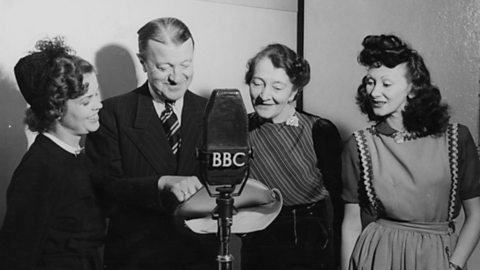
The Government controlled, or censored, the information which was broadcast on the radio to maintain the people’s war spirit. However, because the BBC 'self-censored', it rarely needed to interfere.
Radio broadcasts spoke of the key successes such as the Battle of Britain to spread positive messages, and they preached about the bravery and determination of people during the Blitz.
Enemy successes, such as the fall of Singapore or the Nazi takeover of France, were not promoted as much.
The BBC was an important part of maintaining morale as it was heard in the home via the radio. A popular radio broadcast was Tommy Handley’s, It’s That Man Again. It was a comedy that made fun of both the enemy and British methods of coping with the war.
Cinema
The Government used the cinema to help promote the war effort, raise people's spirits and share victories.
People were shown newsreels before the main feature film which informed them about the events of the war. The film industry produced pro-British and pro-war films.
The most popular and powerful films about the war were Went the Day Well? and The Day Will Dawn in 1942, and Tomorrow We Live in 1943. Went the Day Well? featured an English village captured by German paratroopers. The local Home Guard and villagers work together to defeat the invaders.