Now playing video 17 of 33

The difference between nocturnal and diurnal animals

Description

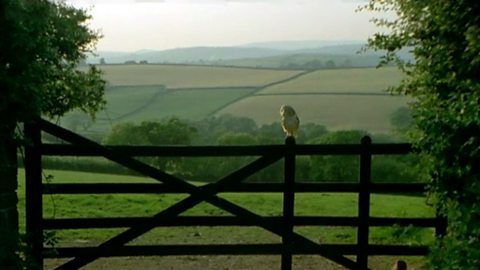
A look at some animals that are active at night, and have to remain as quiet as possible. Barn owls are seen hunting silently, while voles make very little noise to avoid detection. A bat uses its specially adapted large ears to listen for moths. Fishing cats stalk their prey without making a sound. As daylight comes, the volume level increases. Birds sing in the ‘dawn chorus’. A lyre bird mimics the call of a kookaburra. It also copies the sounds of a car alarm, camera and chainsaw. Howler monkeys demonstrate why they are some of the noisiest animals on the planet.

Classroom Ideas

After viewing, students could name all the ways in which the nocturnal animals shown in the clip are adapted for night-time living. They could brainstorm possible advantages which nocturnal animals have over diurnal animals in terms of locating prey or avoiding hunters. How do nocturnal animals compare to diurnal animals in terms of their behavioural and physical characteristics? Students might mention a cat’s excellent night vision, or the badger’s stripes, that are bold and easy to spot in the daylight but resemble moonlit shadows at night. Do any nocturnal animals share characteristics, even if they are from completely different species? For example, a highly developed sense of smell or hearing?

Ask students to imagine a creature that is perfectly adapted to nocturnal living. They could draw their creature and label all its features.

Now playing video 17 of 33

    • 1 of 33
Microorganisms (clip compilation)
    • 2 of 33
  • Why did the brown bear evolve into the polar bear?
    • 3 of 33
  • Habitats - where do different owls live?
    • 4 of 33
    The bacteria that lives on skin
    • 5 of 33
    What do you find in a rockpool?
    • 6 of 33
    Adaptations of animals living in the Arctic
    • 7 of 33
    How fish are adapted to live in water
    • 8 of 33
    Animals that live on cold mountains
    • 9 of 33
    Plants are living things
    • 10 of 33
    Adaptation of walia ibex in finding a niche habitat
    • 11 of 33
    The life cycle of a dandelion
    • 12 of 33
    Why are butterflies and bees attracted to plants?
    • 13 of 33
    The lifecycle of an animal
    • 14 of 33
    Rock pools
    • 15 of 33
    The importance of handwashing in food hygiene
    • 16 of 33
    Biodiversity and the human implications
    • 17 of 33
    The difference between nocturnal and diurnal animals
    • 18 of 33
    How are camels adapted to live in the desert?
    • 19 of 33
    Wobbly teeth
    • 20 of 33
    Nocturnal animals and birds
    • 21 of 33
    Root and shoot growth
    • 22 of 33
    Habitats (clip compilation)
    • 23 of 33
    Why animals need a healthy diet
    • 24 of 33
    Why do plants need water?
    • 25 of 33
    Food chains
    • 26 of 33
    Green plants and animals in the rainforest
    • 27 of 33
    Explanation - Growing seeds
    • 28 of 33
    The lifecycle of a plant
    • 29 of 33
    How have different animals adapted to their habitats?
    • 30 of 33
    What do plants give us?
    • 31 of 33
    Do baby animals look like their parents?
    • 32 of 33
    Why does the giraffe have a long neck?
    • 33 of 33
    Interdependence and adaptation (clip compilation)