Economic factors
Economic factors are all concerned with the so called ‘levers’ of the economy. These include:
- An increase in the ability of an economy to produce more goods and services.
- The percentage of the total labour force that is unemployed.
- The price at which you can borrow money, or the return on how much money you can save.
- The rise in prices over a year
- The price of one country’s currency compared to another country’s currency
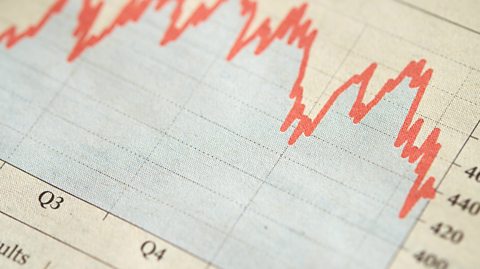
Economic growth
If economic growth is increasing:
- more jobs will be created
- more tax will be paid
- higher levels of employment
- people have more Money available for spending and saving once taxes have been deducted. to spend on goods and services
- this is known as a A period when the economy expands and grows.
If economic growth is decreasing:
- higher levels of unemployment
- people will have less money to spend on goods and services
- this is known as a A time of temporary economic decline when trade and industrial activity are reduced.
Unemployment rate
If the rate of unemployment is high:
- firms have more potential workers to choose from
- more competition for jobs means that it is easier for a business to keep wages down
If the rate of unemployment is low:
- businesses will have to offer higher competitive wages to secure new employees
Interest rates
When interest rates are high:
- businesses borrow and invest less
- businesses receive more interest on money saved in the bank
- consumers save more money and spend less on goods and services
When interest rates are low:
- businesses may borrow and invest more
- businesses will receive less interest on money in the bank
- consumers are less likely to save and will be more willing to spend money on goods and services
Inflation
When inflation is high:
- prices rise
- customers may stop buying luxury goods and focus on essentials
Exchange rates
Exchange rates can rise or fall. When there is a fall in the pound it has both positive and negative impacts on businesses.
When the exchange rate for the pound falls...
- the pound becomes weak
- a weak pound makes goods cheaper to sell abroad
- if UK firms need to buy in raw materials from abroad then the weak pound buys less
- this makes the cost of production higher
- this extra cost may be passed on to the customers, resulting in higher prices