Monitoring volcanoes - popular techniques
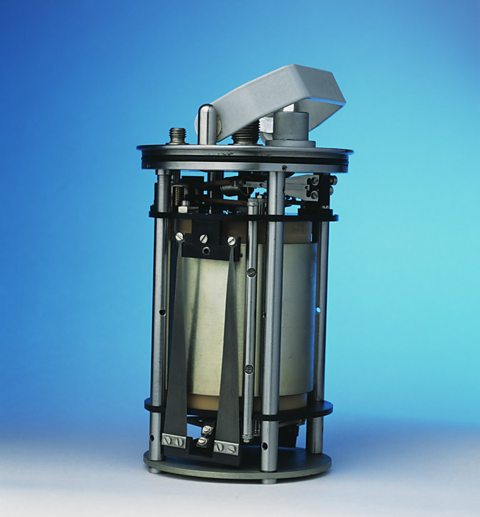
A Willmore seismometer monitors earthquakes
Volcanic eruptions are unpredictable. However, scientists can monitor volcanoes to estimate when they are likely to erupt. Scientists can use a variety of techniques to do this, such as:
- A machine that detects seismic waves caused by earthquakes. - used to measure earthquakes occurring near an eruption
- A device that measures any changes in the 'tilt' of the landscape. It is used often for studying volcanoes. and GPS satellites – these devices monitor any changes in landscape. Volcanoes tend to swell near an eruption
- monitoring gases escaping from a volcano using robots called Spiders – often there is an increased release of sulphur dioxide near an eruption
- measuring temperature - volcanoes become hotter when magma starts to rise through the The thin narrow pipe in the middle of a volcano that connects the magma chamber to the crater.
- looking at the past history of eruptions - scientists can identify patterns of activity