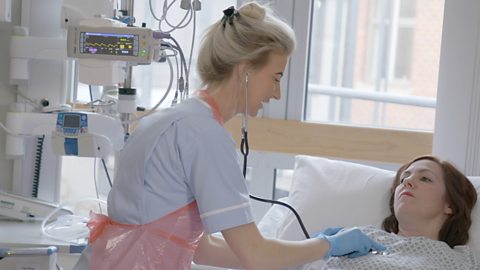
Nurse comes in at number five on the list of top jobs that teens want when they grow up in the 2026 Bitesize Careers survey. Nurses care for patients who are sick, injured or have disabilities. There are four specialities: adult nursing, children's nursing, learning disability nursing, and mental health nursing.
Scroll down to watch our video about how to become a nurse and hear from people currently working as nurses. You'll learn more about routes into the role and discover what you could expect on the job.
So, you want to become a nurse? If you care about people, can stay calm under pressure and want to make a real difference, nursing could be for you. To get started, you'll usually need passes in English, Maths and Science at GCSE or National 5, as well as some A-levels or Highers, often including a Science like Biology. You could then choose from several options. You could take the apprenticeship route, which means working in healthcare and studying at the same time, with the potential to earn while you train. Or you could go to university, where to apply, you'll most likely need to sit entrance exams and interviews and show you've done some relevant work experience or volunteering. You'll get to choose a specialism, such as adult, children's, mental health or learning disability nursing, and your course will most likely combine classroom learning with real placements in hospitals, GP surgeries and community settings. Whichever path you choose, you'll need to complete an approved programme, which can take 3 to 4 years and register with the Nursing and Midwifery Council. Nursing can lead to all sorts of jobs, from working in intensive care or neonatal units to roles in research, education or even the armed forces. So, could nursing be for you?

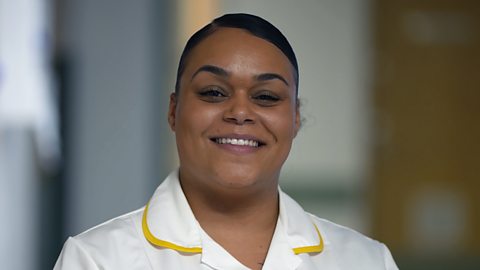
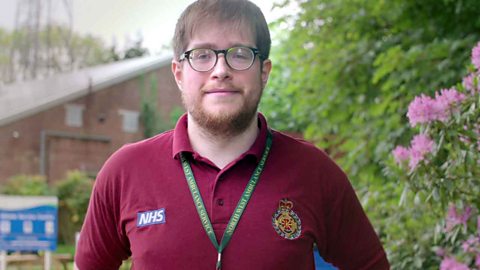
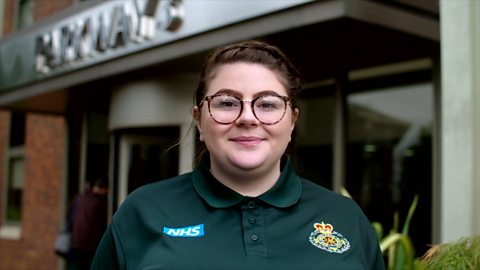
Real-life nurses' stories